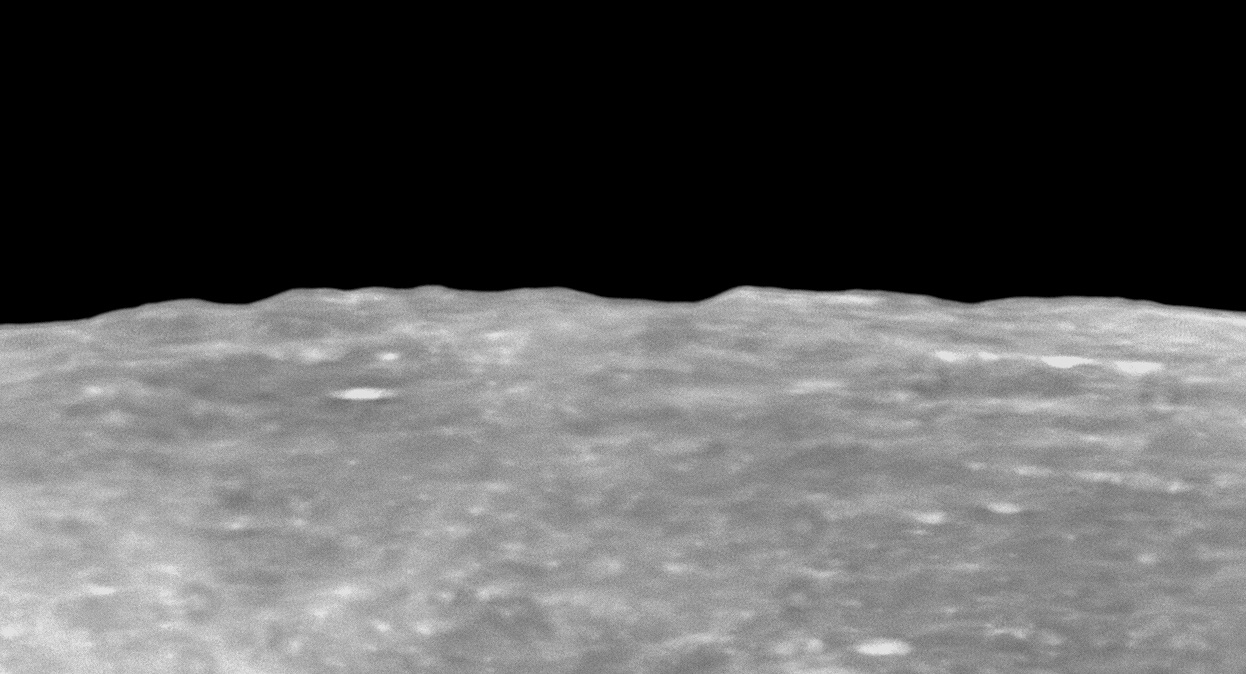
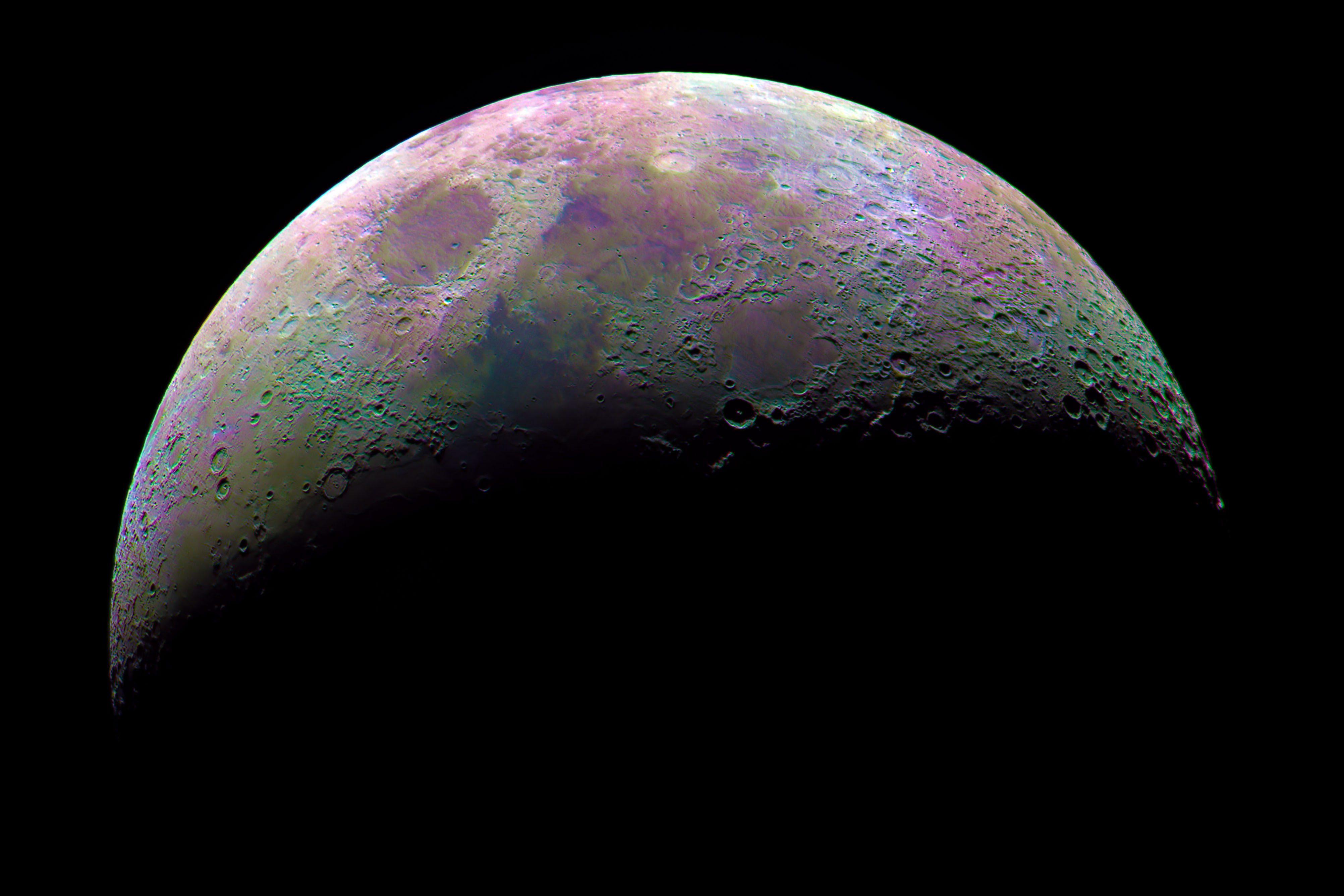
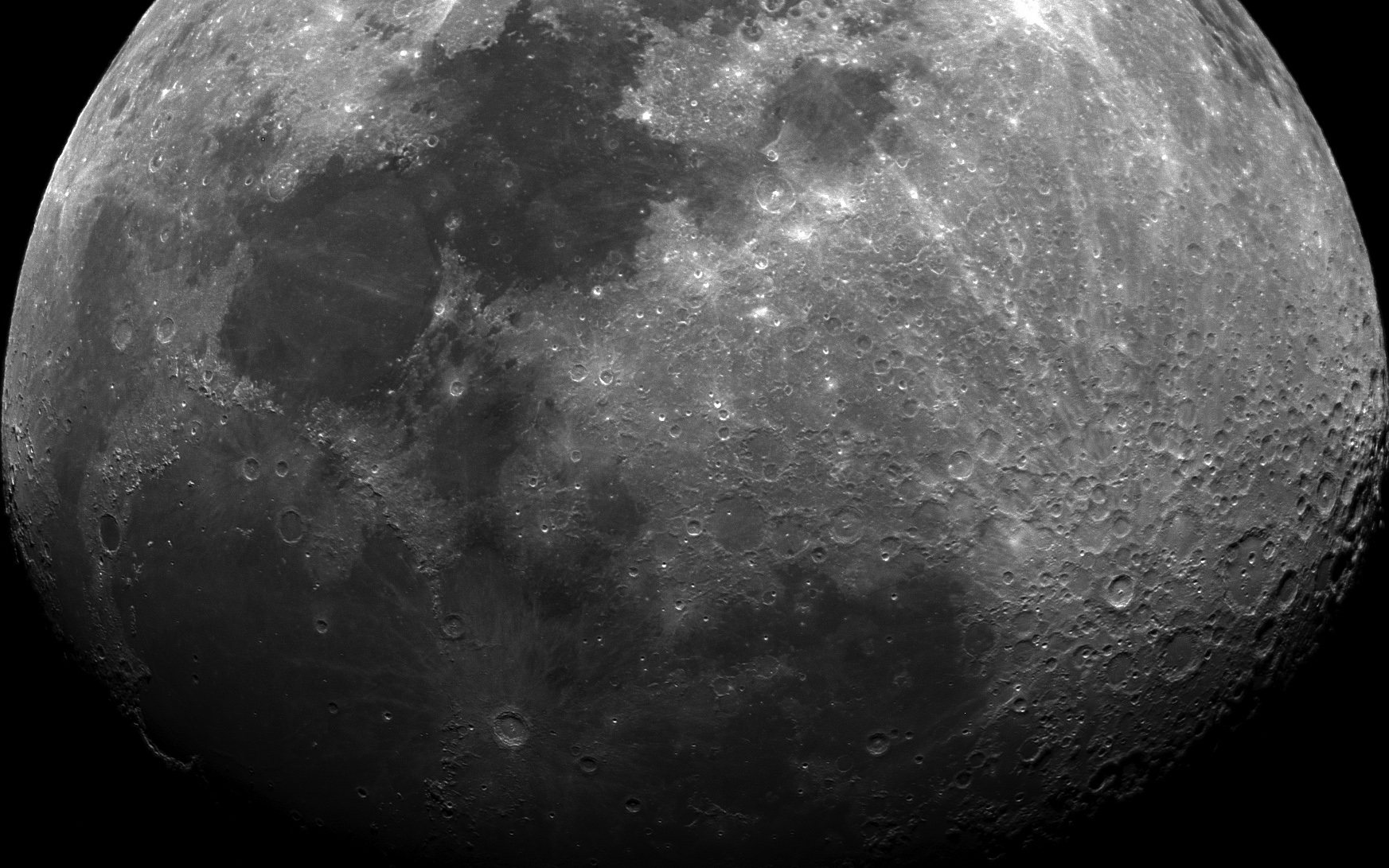
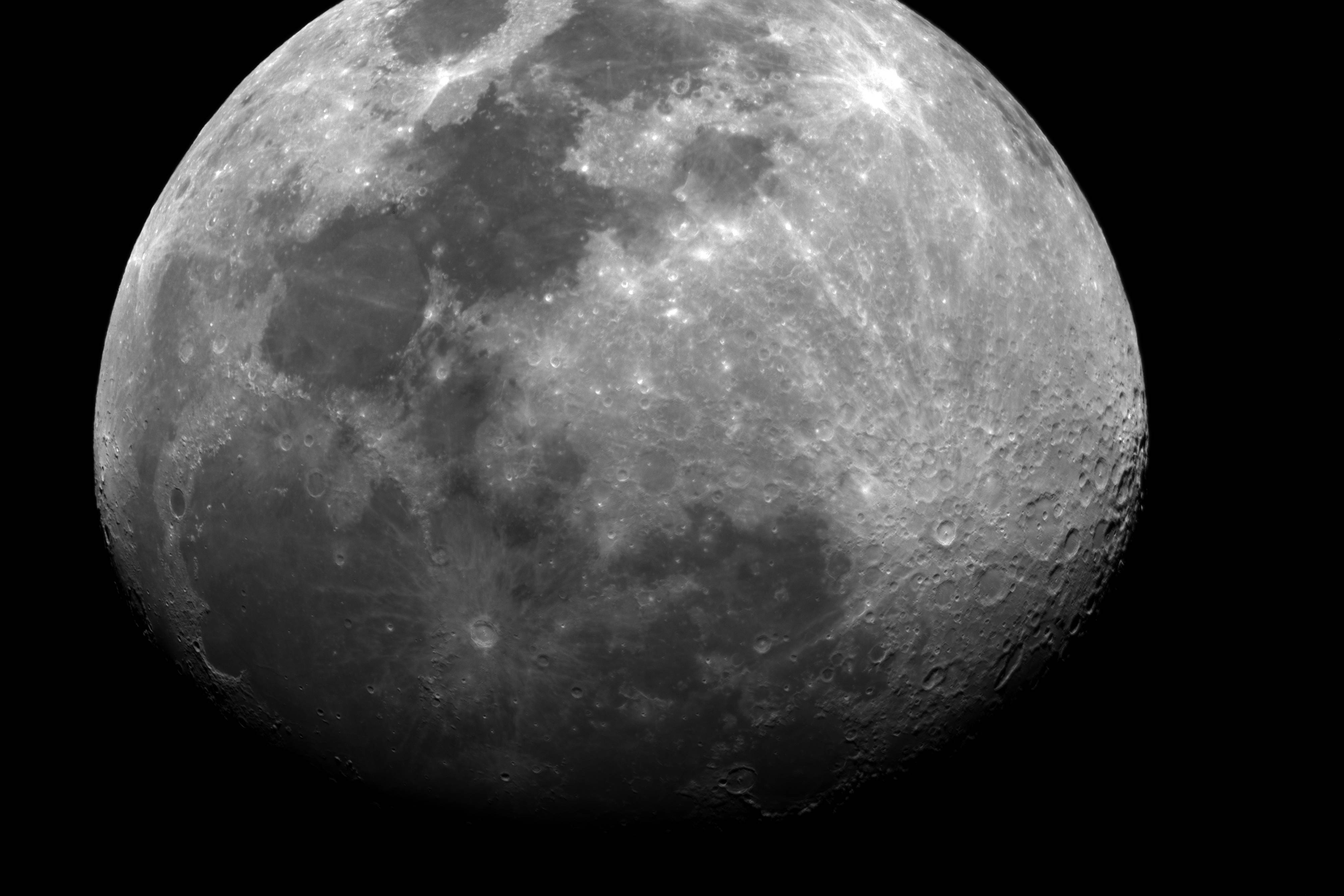
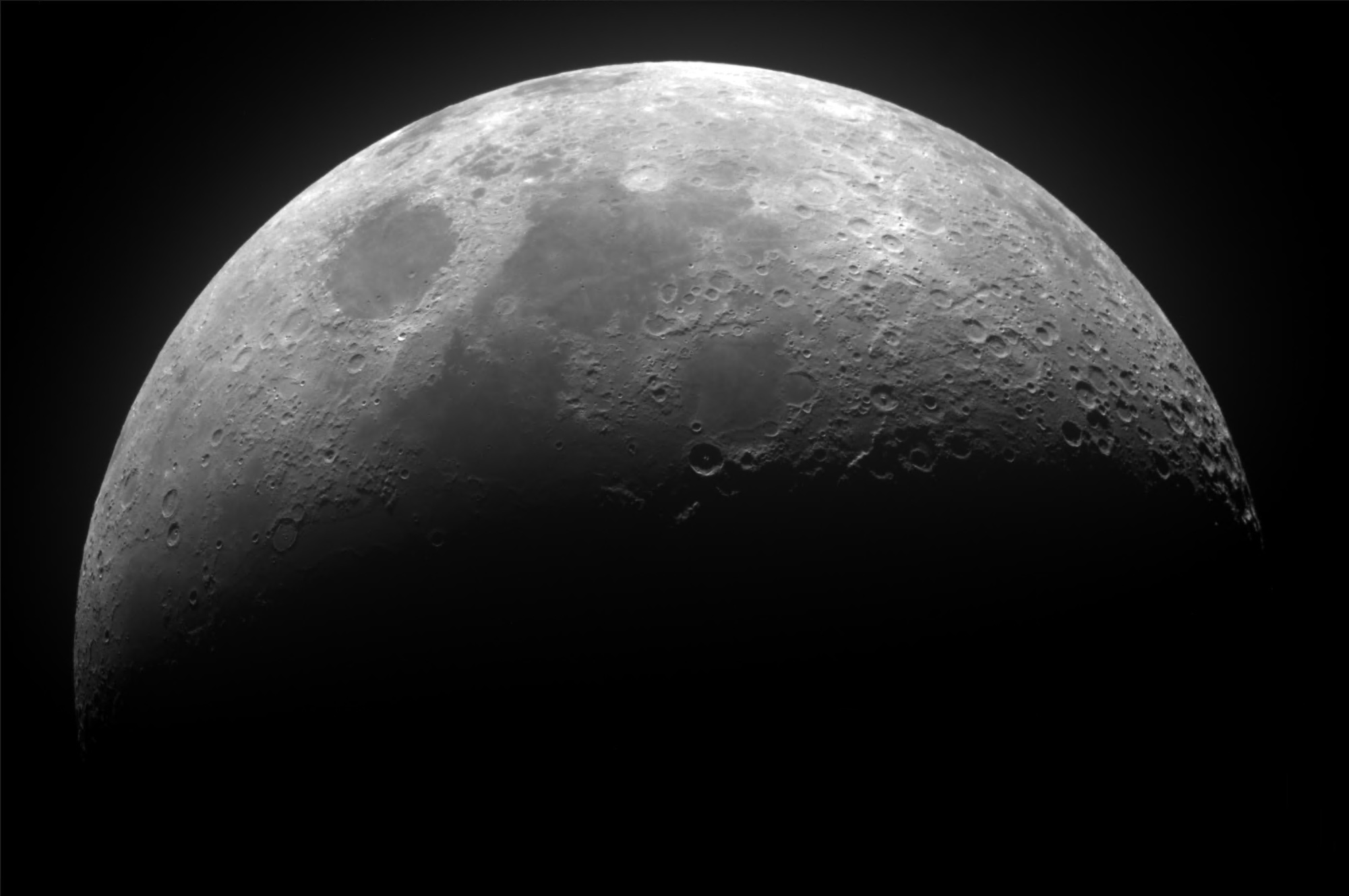
Moon (LX, Luminance Image)
(Total exposure 0.01 sec, binned 1x1; May 2025)
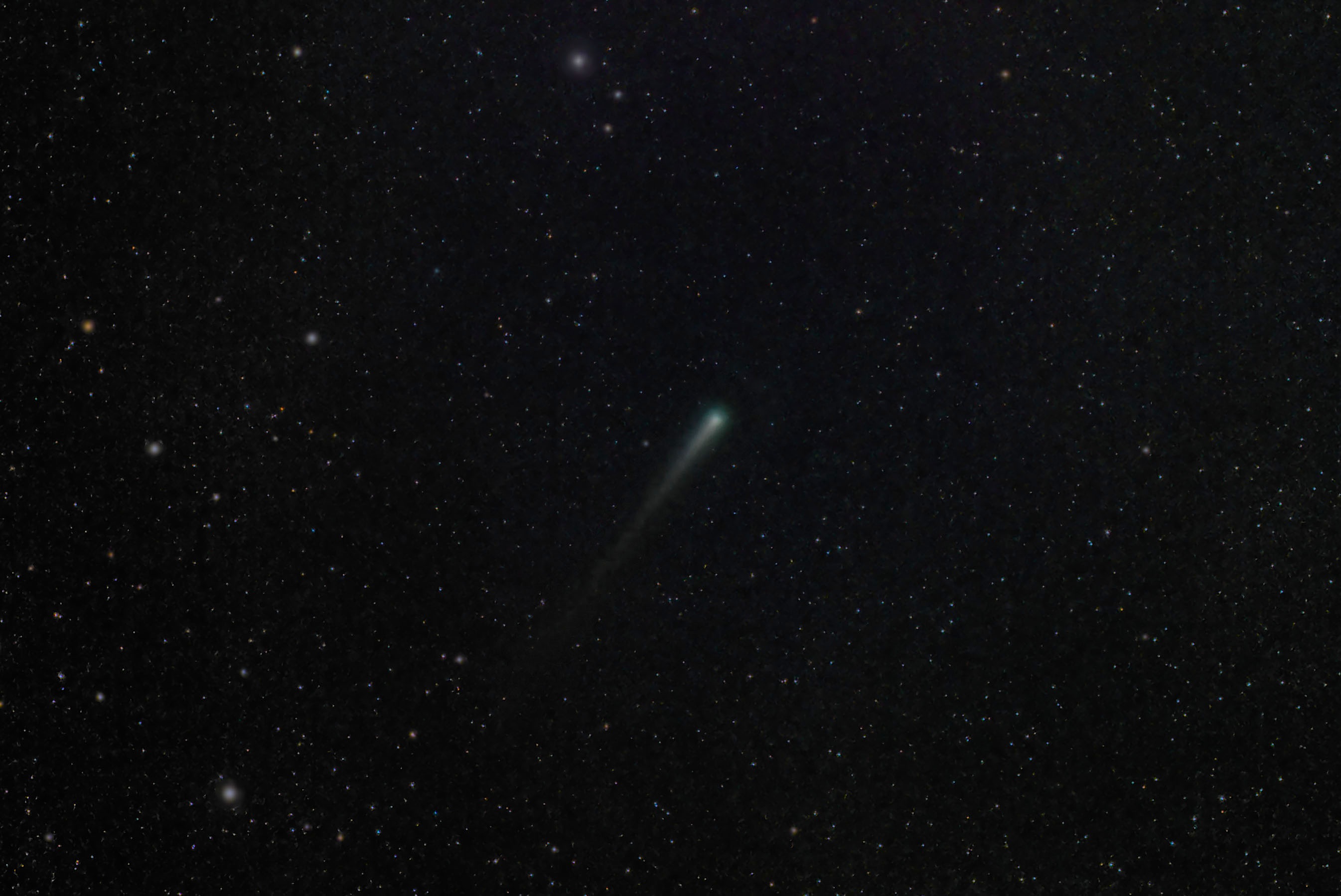
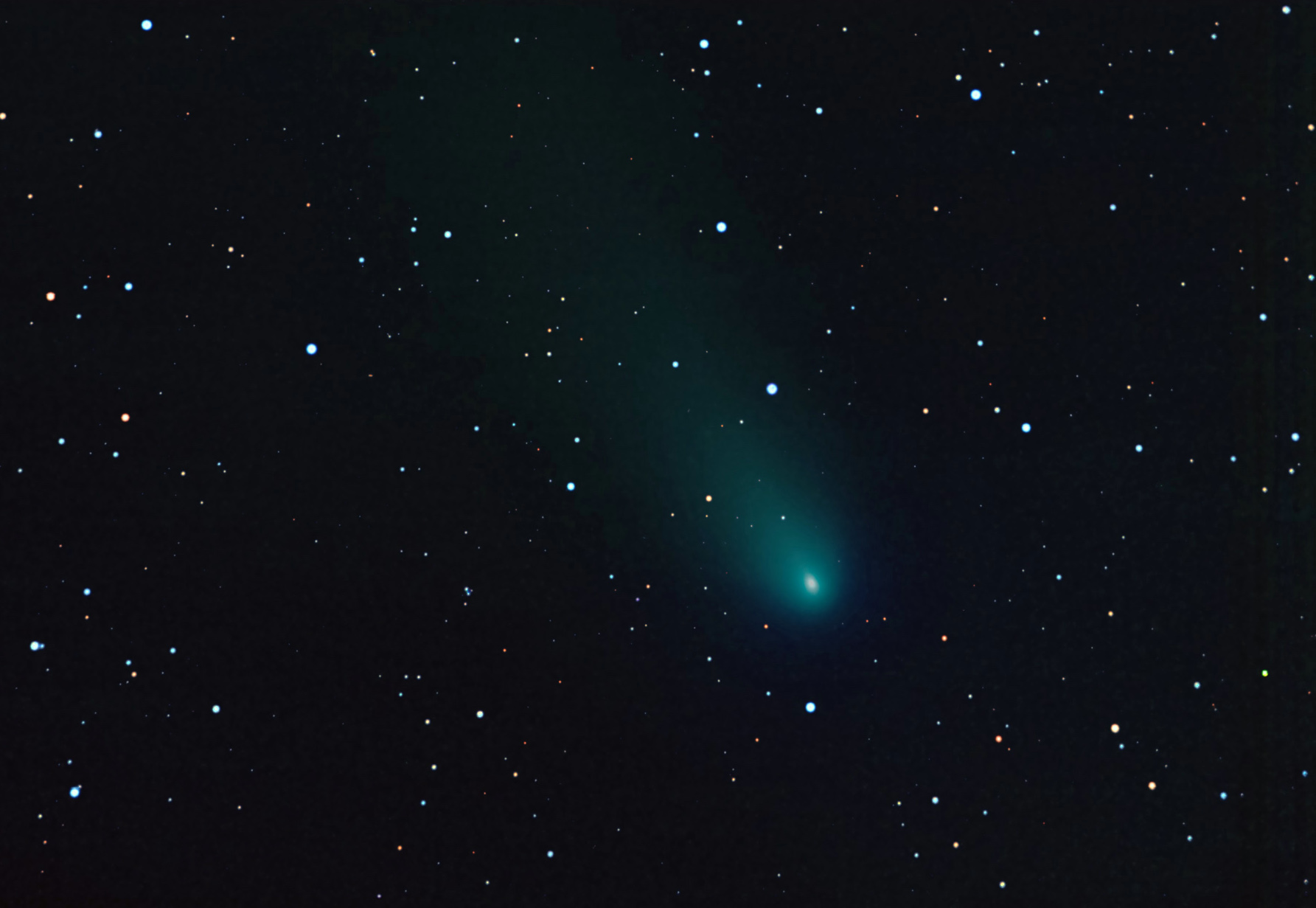
Comet 21P/Giacobini-Zinner (LX, RGB Image)
(Total exposure 20 mins; R 12x 1min, G 12x30 sec, B 12x1 min,, all binned 2x2; September 2018)
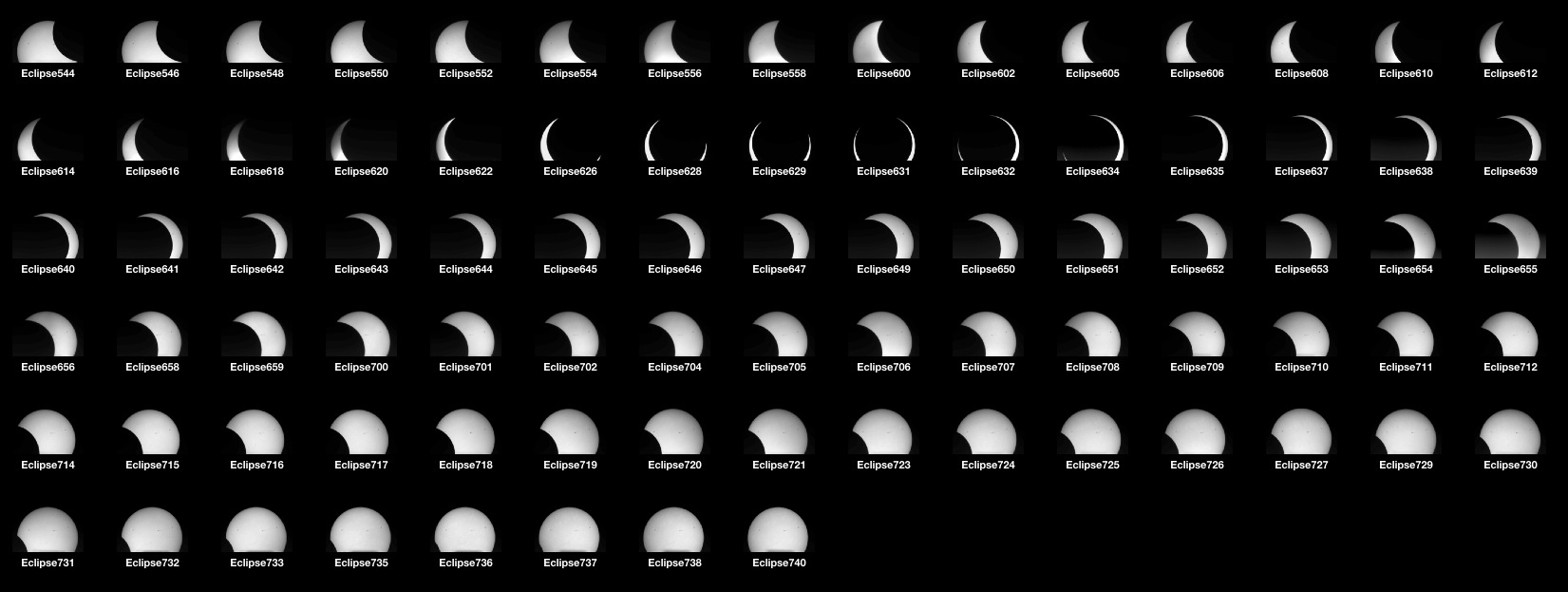
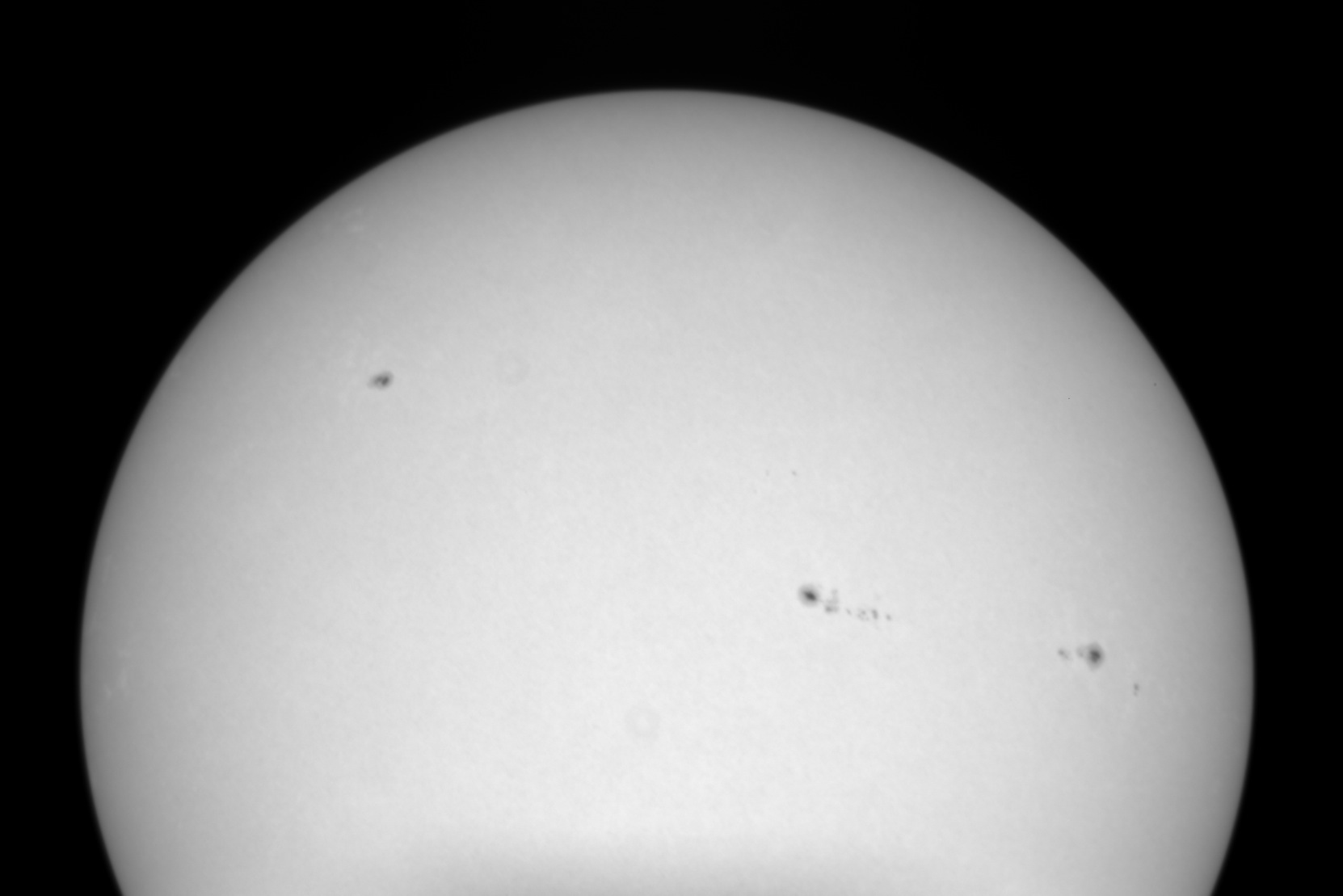
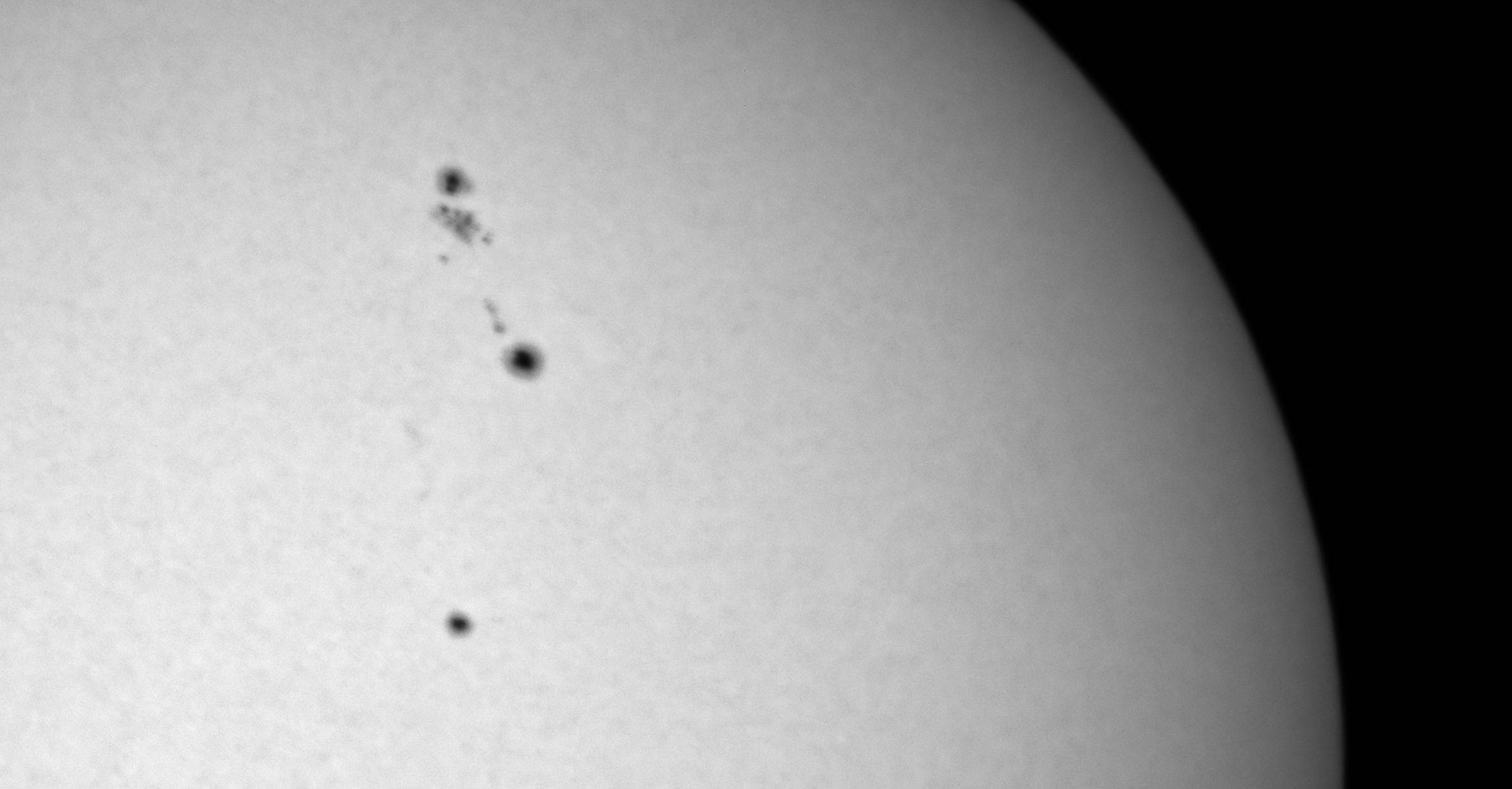
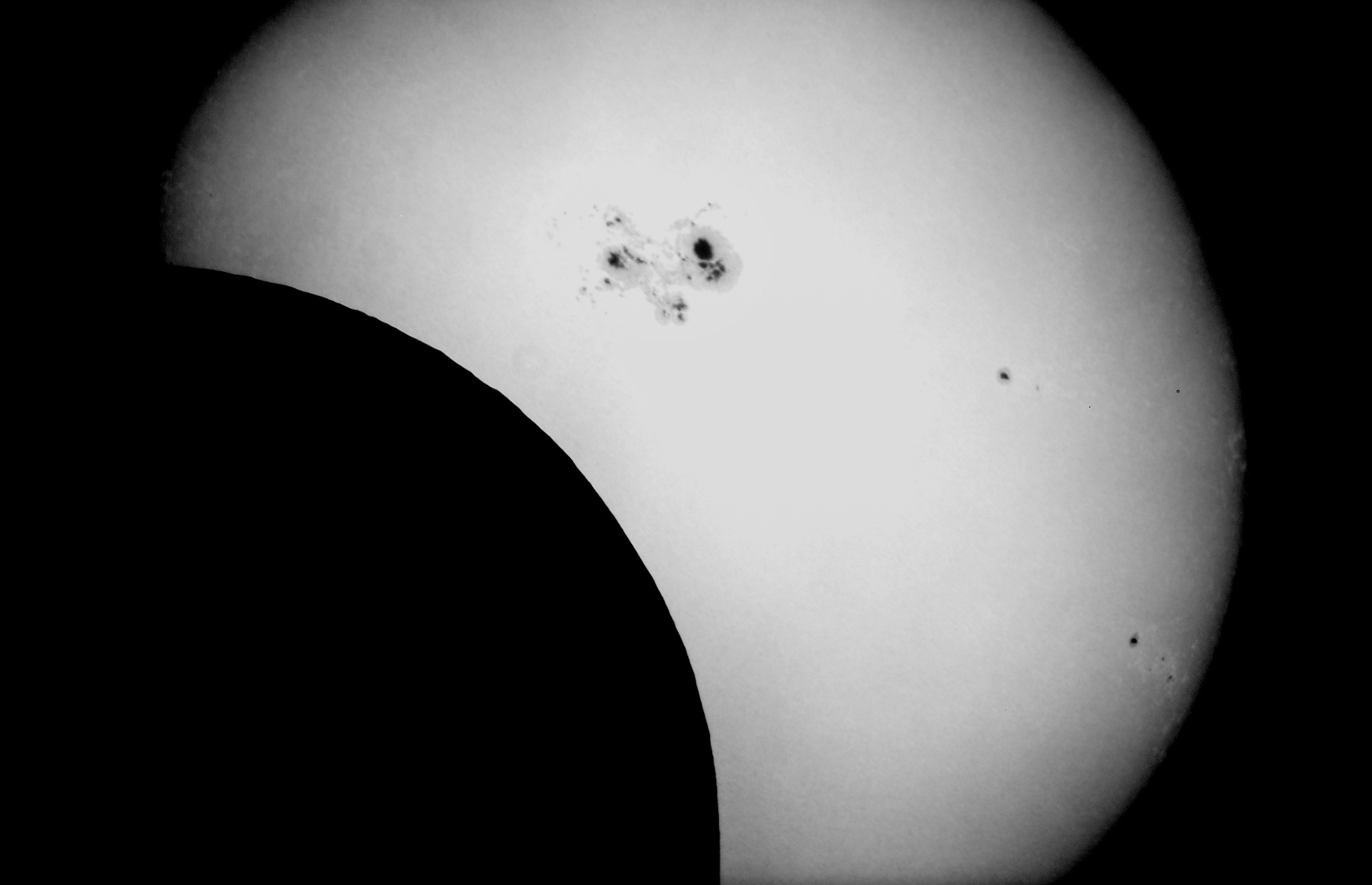
Partial Solar Eclipse - October 2014 (LX, Monochrome Image)
(Exposure 0.01 sec, Luminance filter, binning 2x2; Solar ND Filter on front of scope; October 23, 2014 approx. 2200 UTC)
[Images were taken from 3:00-4:30PM (0.01 sec exposure, binning 1x1) ... but there were clouds covering the sun throughout most of the eclipse. Above image was taken before sun disappeared behind the clouds. AR2192 sunspot group is at the top center of the image.]
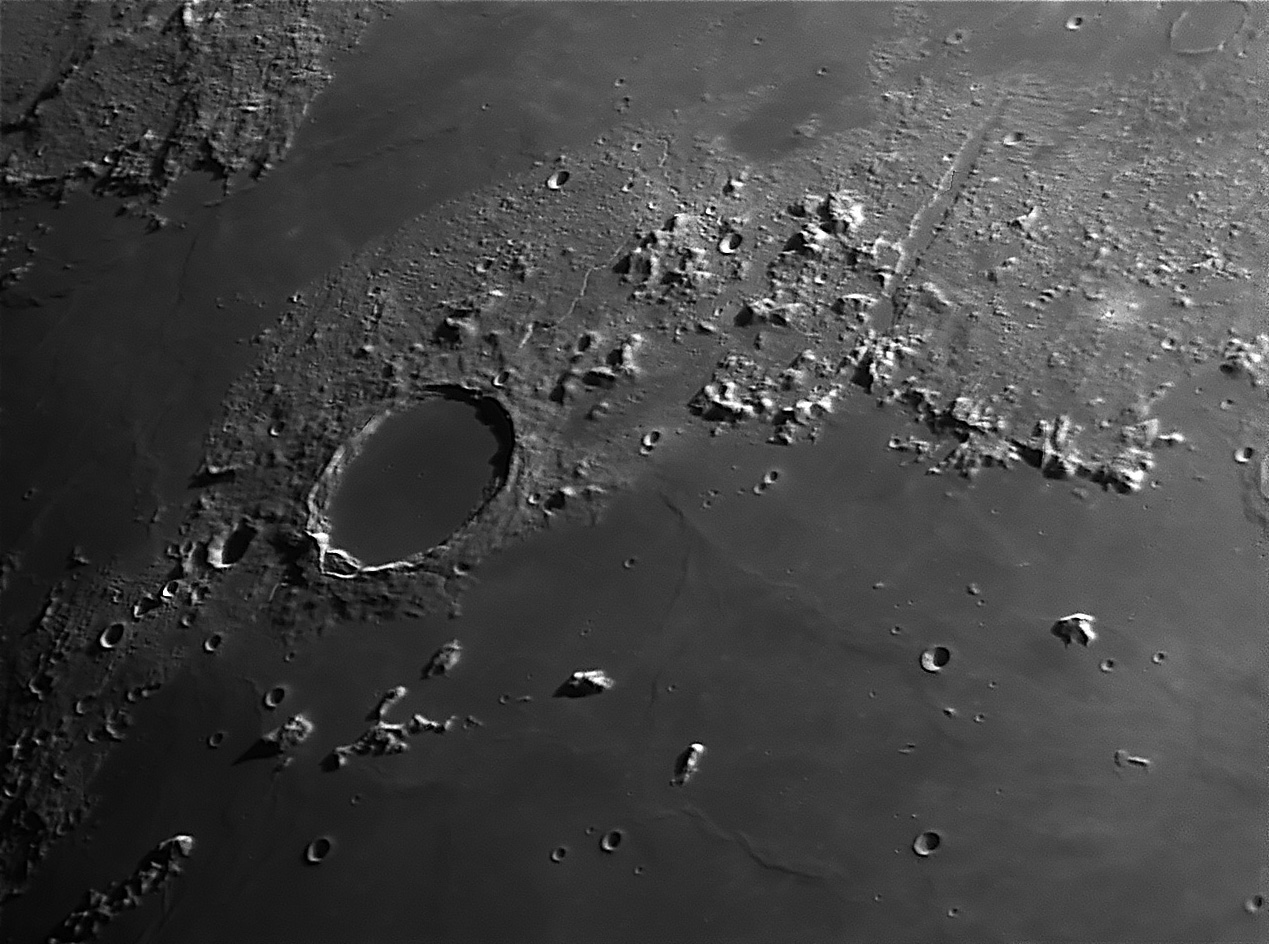
Moon - (LX200R at 3,600 mm FL, ASI120MM camera, Monochrome Image)
(Best 60% of 1650 frames, R filter, @ 27 FPS; Good seeing; Processed in Registax 6; July 6, 2014)
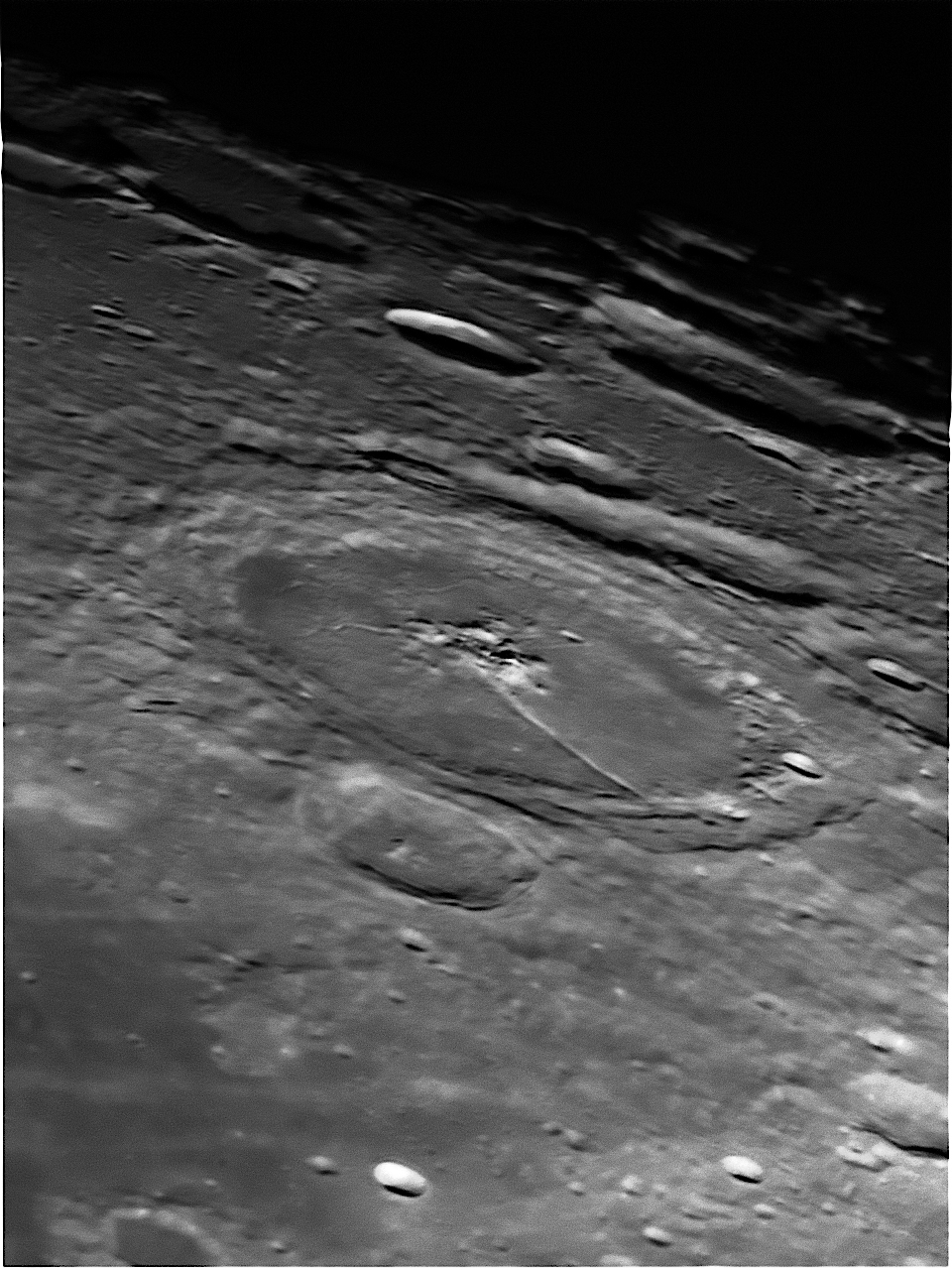
[Largest crater is PLATO (109 Km diameter), with Mare Frigoris above (North), and Mare Imbrium below (South); long valley at upper right is Vallis Alpes, extending northward from the Montes Alpes. The rilles extending to the northwest of Plato are the Rimae Plato; the smaller crater to the west of Plato is Bliss (20 Km diameter), and the scattered mountains to the south of Plato are the Montes Teneriffe. The double craters to the east of Plato, in-line with Vallis Alpes are designated K and KA and are approx. 6 Km in diameter; Plato's rim is approx 2 Km above the crater floor; the age of Plato is estimated to be approx. 3.84 billion years and was filled with lava more recently, creating a flat crater floor with low albedo.]
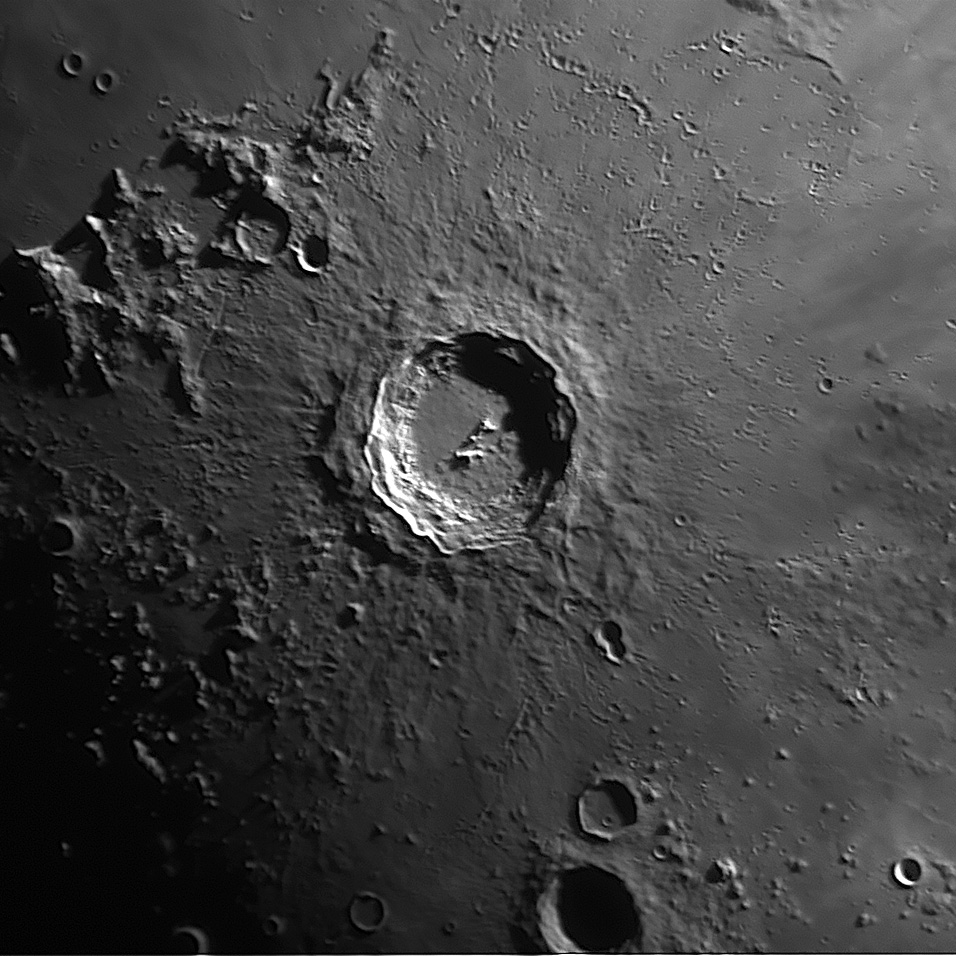
Moon - (LX200R at 3,600 mm FL, ASI120MM camera, Monochrome Image)
(Best 60% of 1640 frames R filter, @ 27 FPS; Good seeing; Processed in Registax 6; cropped; July 6, 2014)
[Largest crater is COPERNICUS (93 Km diameter and 3.8 Km depth), exhibiting a ray pattern characteristic of craters formed during the Copernican period (crater age is less than about 1 billion years); the Montes Carpatus are at upper left, with the larger crater bordering the mountains being Guy Lussac, and the rille extending below it the Rimae Guy Lussac; the large crater at bottom is Reinhold (48 Km diameter), with Reinhold B just above it. The larger of the double craters below Copernicus is Fauth (12 Km diameter). The Sinus Aestuum ('seething bay') extends to the east of Copernicus (to the right in the image).
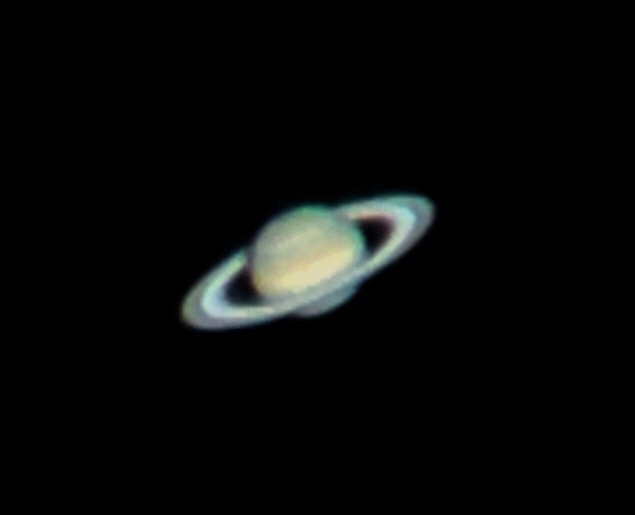
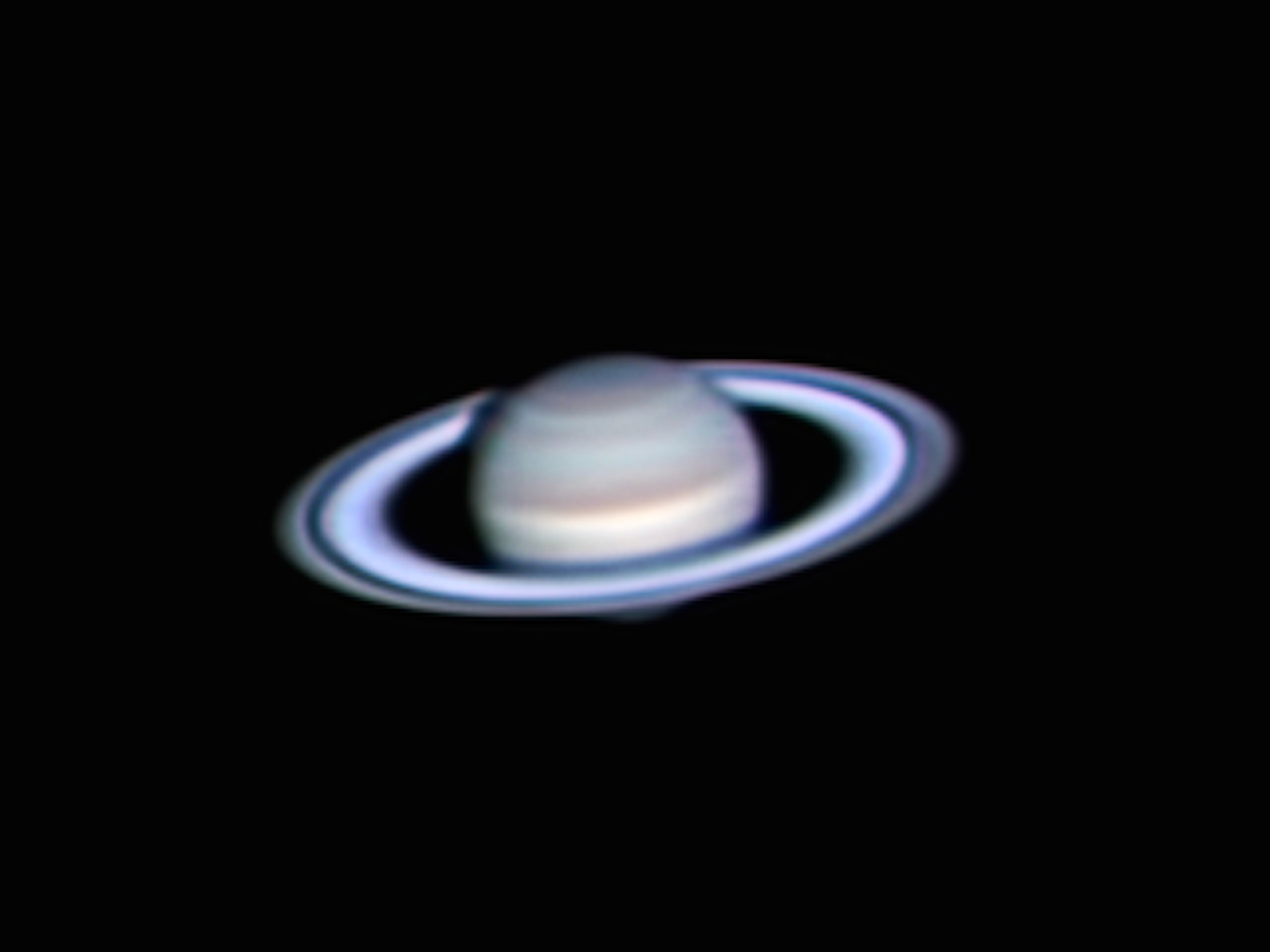
Saturn - (LX200R at 3,600 mm FL, ASI120MM camera, RGB Image)
(Best 80% of 2400 frames per color, R, G, B, @ 6-27 FPS; Fair seeing; Processed in Registax 6; July 2, 2014)
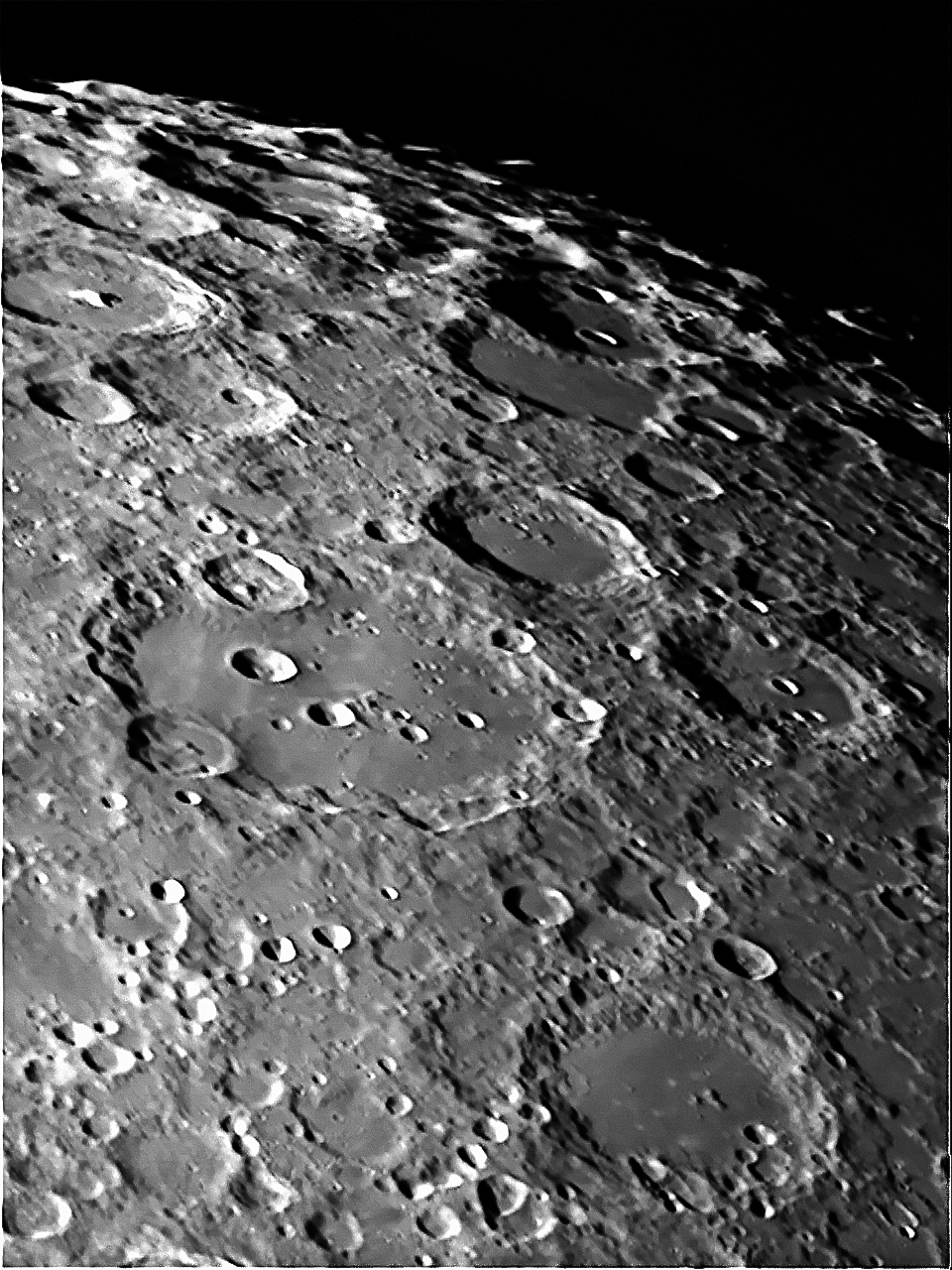
Moonscape - (LX200R at 3,600 mm FL, ASI120MM camera, Monochrome Image)
(Best 400 of 450 frames @ 27 FPS; Fair seeing; Processed in Registax 6; June 8, 2014)
[Largest crater is CLAVIUS (235 Km dia); small crater on lower left edge of Clavius is PORTER (52 Km); small crater on upper left edge of Clavius is RUTHERFORD 2; crater in bottom right corner is LONGOMONTANUS (145 Km); double craters to right of Clavius are SCHEINER (110 Km, lower) and BLANCANUS (105 Km, upper); crater near upper left with central peak is MORTEUS (114 Km); craters below Morteus are CYSATUS (49 Km, left) and GRUEMBERGER (93 Km, right); above Morteus is crater SHORT (70 Km): to upper right of Blancanus is KLAPROTH (119 Km), and just beyond is CASATUS (111 Km). The smallest craters are 2-4 Km in diameter, or approximately 1-2 arcsecond angular diameter.]
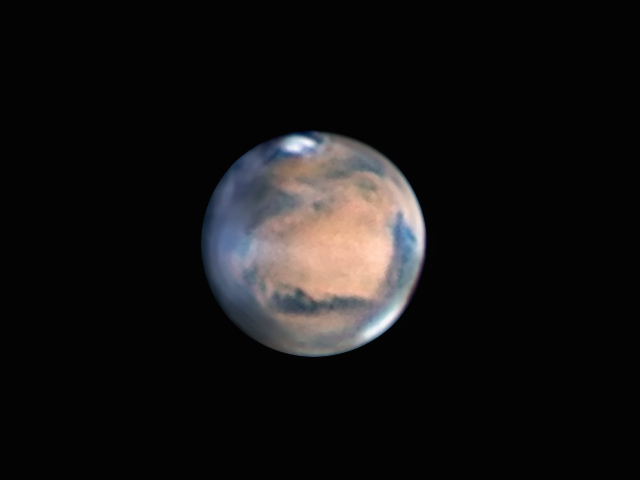
Mars - RGB Planetary Imaging (LX200R at 7,200 mm FL, ASI120MM camera, RGB Image)
(Combined R, G, and B images; R best 80% of 7500 frames @ 62 fps, G best 75% of 4300 frames @ 35 fps, B best 65% of 2100 frames @ 17 fps; Very good seeing; Processed in Registax 6 and Astra Image; UTC0800 May 2, 2014)
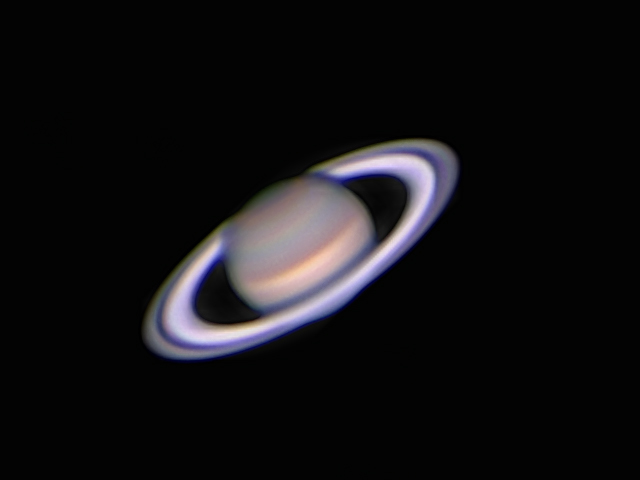
Saturn - RGB Planetary Imaging (LX200R at 7,200 mm FL, ASI120MM camera, RGB Image)
(Combined R, G, and B images; R best 90% of 2400 frames @ 10 fps; G best 85% of 2400 frames @ 8 fps, B best 80% of 2400 frames @ 5 fps; Very good seeing; Processed in Registax 6 and Astra Image; UTC 0920 May 2, 2014)
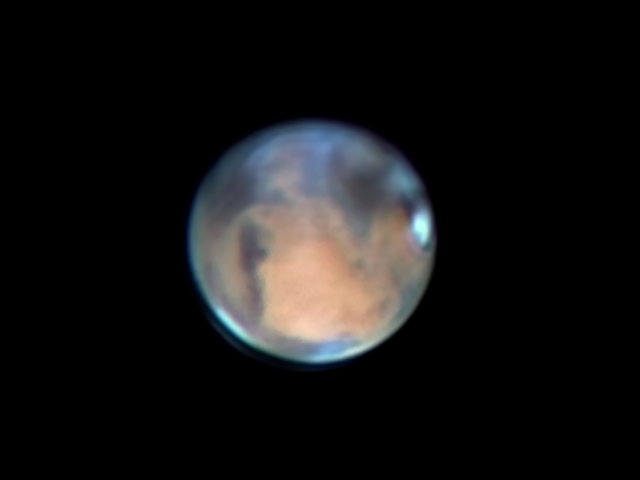
Mars - "First Light" RGB Planetary Imaging (LX200R at 7,200 mm FL, ASI120MM camera, RGB Image)
(Combined R, G, and B images, each from 1200-6000 frames of monochrome video through filters; Processed in Registax 6 and Astra Image; April 29-30, 2014)
Saturn - "First Light" - RGB Planetary Imaging (LX200R at 7,200 mm FL, ASI120MM camera, RGB Image)
(Combined R, G, and B images, each from 400-1000 frames of monochrome video through filters; Processed in Registax 6 and Astra Image; April 29-30, 2014)
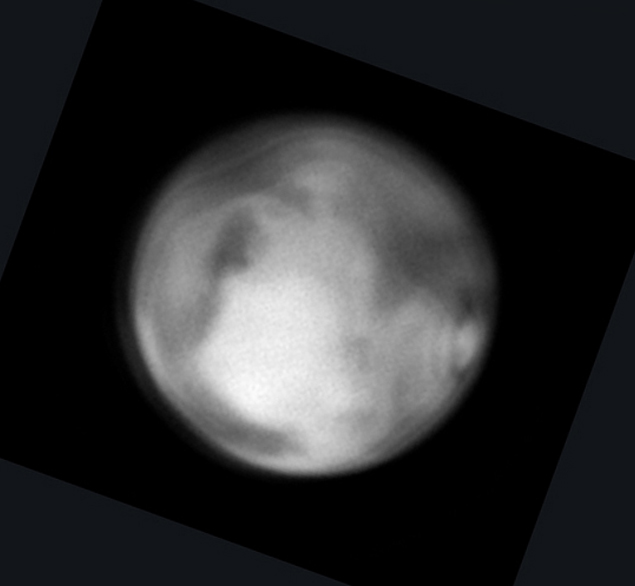
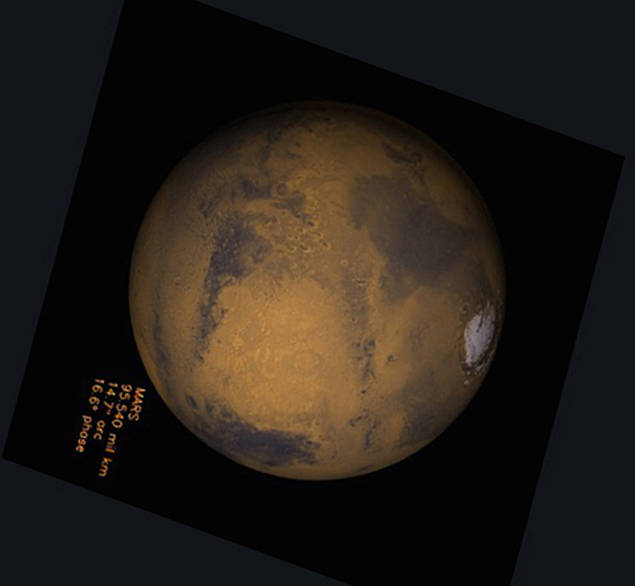
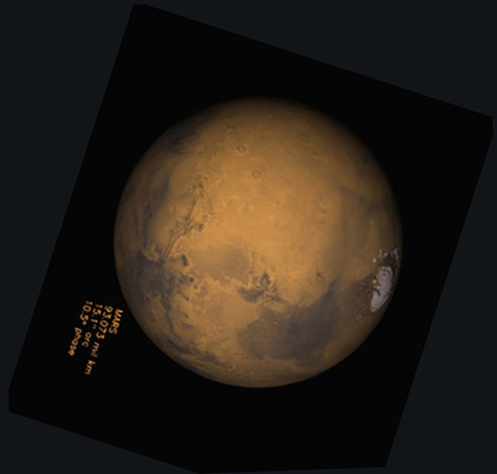
Mars and NASA simulated view (LX200R at 7,200 mm FL, ASI120MM camera, Monochrome Image)
(Best 5,400 of 6,000 video frames taken at approx 55 fps; Red filter (part of RGB sequence); Processed in Registax 6; April 29, 2014)

Mars near Opposition and NASA simulated view (LX200R at 7,200 mm FL, ASI120MM camera, Monochrome Image)
(Best 12,000 of 20,000 video frames taken at approx 130 fps; Processed in Registax 6; April 21, 2014)
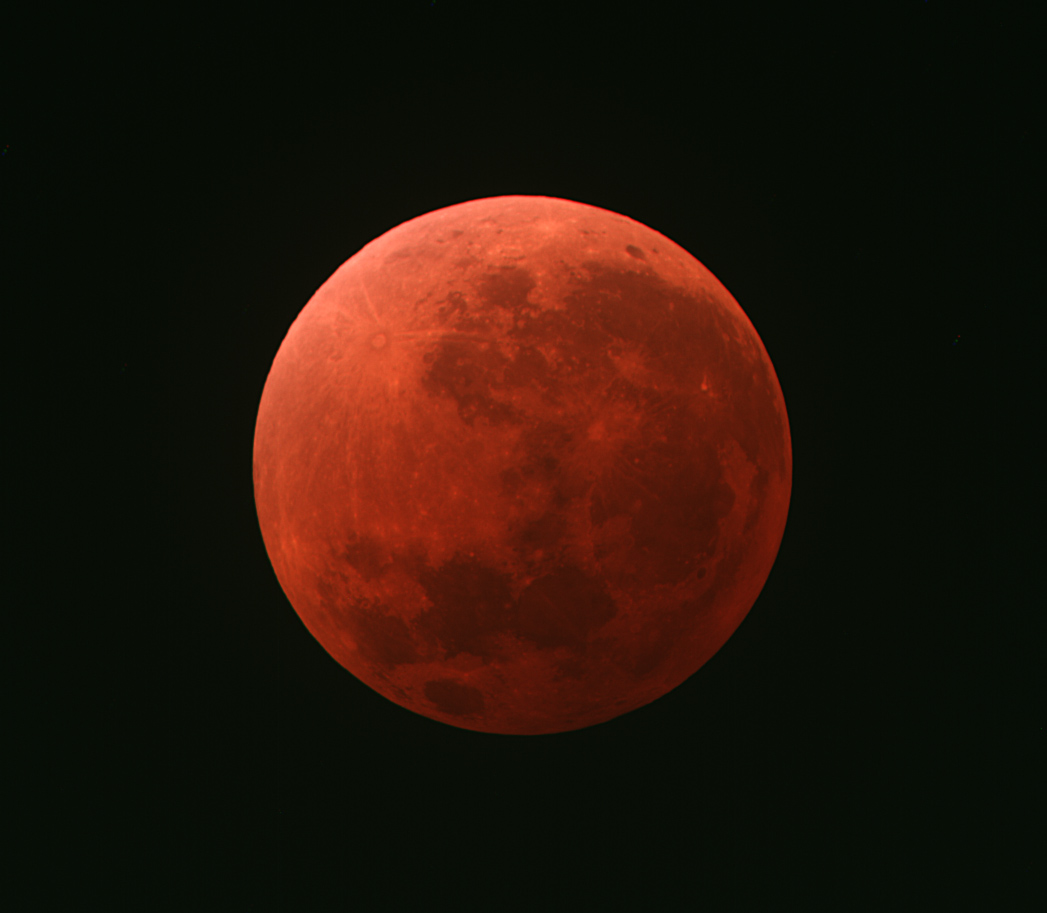
"Blood Orange" Moon: Total Lunar Eclipse of April 14-15, 2014 (STL-11000 on FSQ, RGB Image)
(Moon during totality; R 3sec, G 1.5 sec, B 3 sec, binning 1x1; taken during night of April 14-15, 2014)
[I took, and am processing, 77 frames over approx 5 hours - each frame every 4 minutes, or 1 degree transit through the sky; each frame is a combined Red, Green and Blue image, taken approx. 1 minute appart. Due to moving cloud cover, some of the frames have bizarre colors - one case where a one-shot color camera may do better. A telextender (which I have) for the FSQ would have enlarged the image, and provided a slightly higher resolution view of the moon. Luckily, during most of the umbral and totality phases, the clouds moved out of the FOV. Once all the frames have been processed, I plan to make an animation of the eclipse - earth's shadow crossing over the moon - compressing 5 hours into about 15 seconds. Exposures ranged from 4 mS to 3S.]
Total Lunar Eclipse of April 14-15, 2014 - Time Lapse Video (STL-11000 on FSQ, each frame is a combined RGB image)
(50 frames, each an RGB image with exposure times from 4mS to 3S; approx 4 minutes between each frame; a total of 77 frames were taken over approx. 5 hours during night of April 14-15, 2014)
[I took 77 frames over approx 5 hours - each frame every 4 minutes, or 1 degree transit through the sky; each frame is a combined Red, Green and Blue image, taken approx. 1 minute appart. Due to moving cloud cover, some of the frames have bizarre colors and about a dozen frames were ruined - half near the beginning of the animation. Luckily, during most of the umbral and totality phases, the clouds moved out of the FOV. This animation of the eclipse - earth's shadow crossing over the moon - compresses more than 3 hours (50 useable frames plus 5 additional frames at the end of the last image) into 60 seconds. Exposures ranged from 4 mS to 3S. Stacking and most processing was done in CCDStack.]
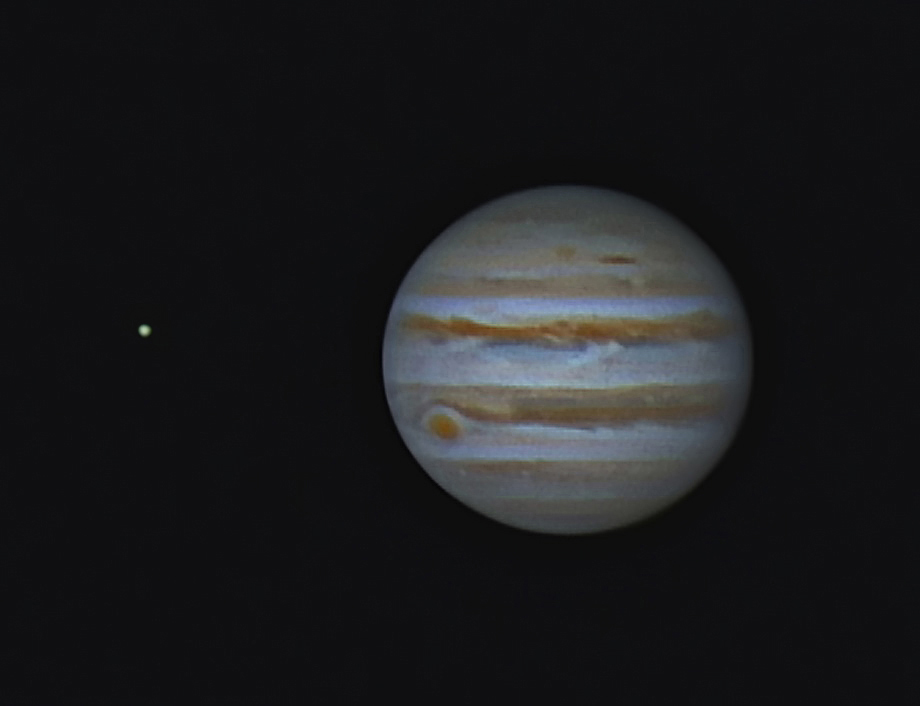
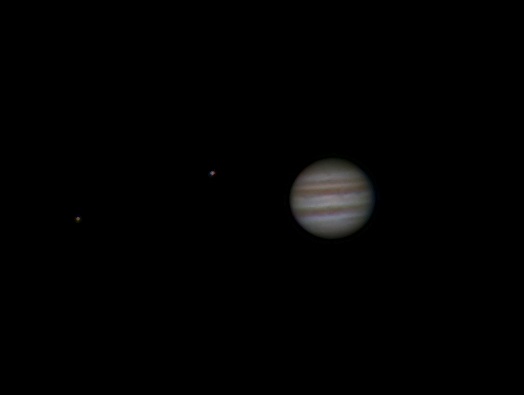
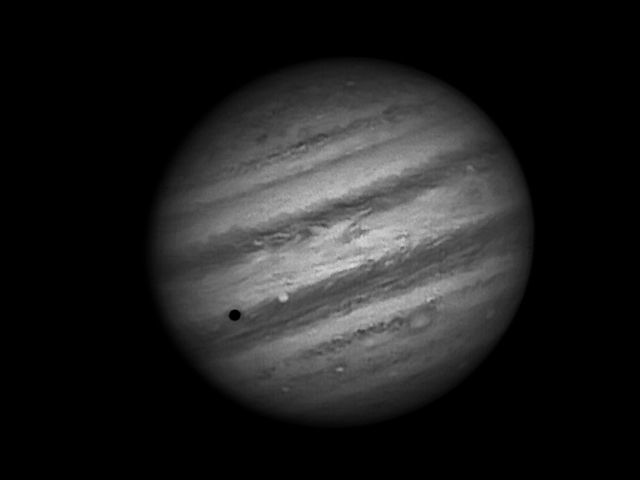
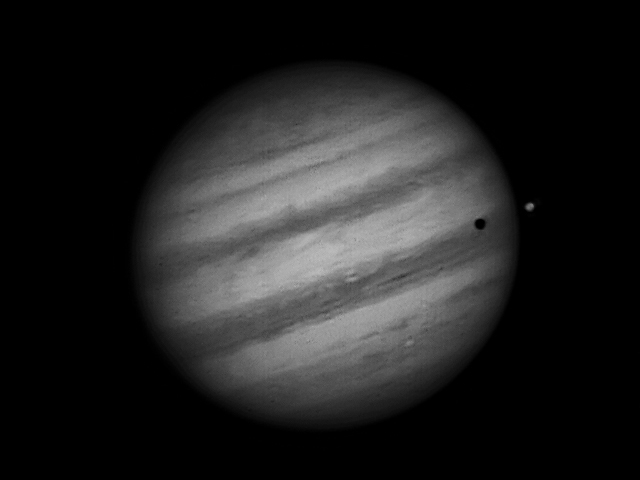
Transit of Jupiter by Io - ASI120MM Planetary Camera (LX200R - 7,200mm focal length using Televue 2X Powermate, Monochrome Image)
(Taken at approx. 50 frames/second; each frame of video used best 90% of 2000 frames as processed in Registax 6 using wavelets; aligned and normalized in Keith's Image Stacker; taken over approx. 3 hours during night of Jan18-19, 2014)
[First attempt at making a planetary animation - compressing 3 hours (image taken every 2 minutes) into about 12 seconds; meridian flip and computer crash resulted in 2 lost portions of the video; total of 168,000 images taken and aprox. 151,000 images stacked to make this 84-frame animation.]
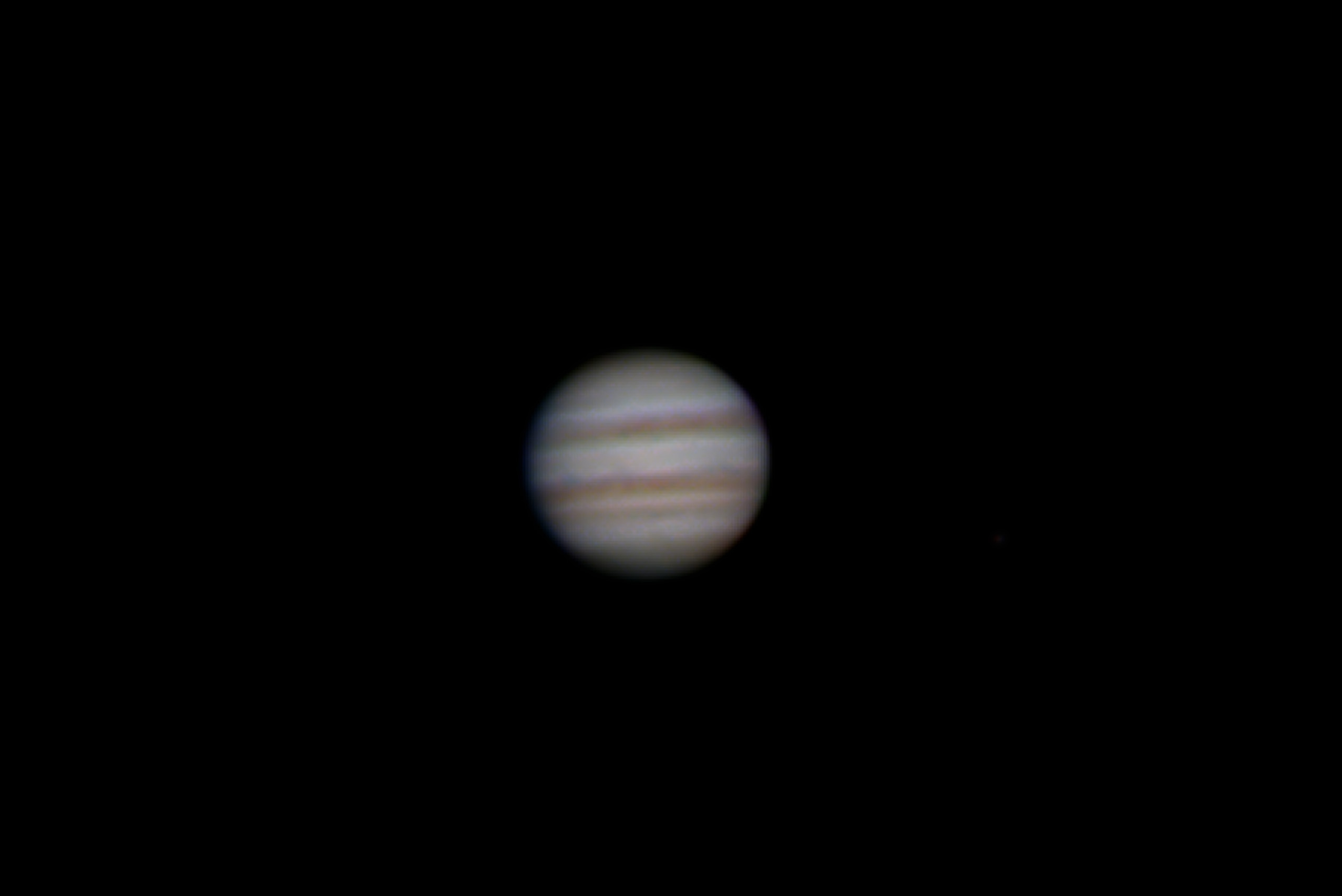
Transit of Jupiter by Io - Selected Frame (1)
(Taken at approx. 50 frames/second; each frame of video used best 90% of 2000 frames as processed in Registax 6 using wavelets; aligned and normalized in Keith's Image Stacker; taken over approx. 3 hours during night of Jan18-19, 2014)
Transit of Jupiter by Io - Selected Frame (2)
(Taken at approx. 50 frames/second; each frame of video used best 90% of 2000 frames as processed in Registax 6 using wavelets; aligned and normalized in Keith's Image Stacker; taken over approx. 3 hours during night of Jan18-19, 2014)
Mars - ASI120MM Planetary Camera (LX200R - 7,200mm focal length using Televue 2X Powermate, Monochrome Image)
(Taken at approx. 100 frames/second; best 90% of 6000 frames as processed in Registax 6 using wavelets; minimal Photoshop processing, including Noise Ninja; taken early morning on January 21, 2014)
[North pole is at bottom; bright area to center right is Terra Sabaea; dark area coming down from top is Syrtis Major Planum; darker area near bottom is Utopia Rupes; diameter of Mars on January 21, 2014 was approx. 7.3 arcseconds]

Moon - First Light Image using ASI120MM Planetary Camera (LX200R - 7,200mm focal length using Televue 2X Powermate, Monochrome Image)
(Taken at approx. 50 frames/second; best 80% of 1200 frames as processed in Registax using wavelets; minimal Photoshop processing, including Noise Ninja; taken near full moon early morning on January 16, 2014)
[Large crater is Petavius (177km diameter); smaller crater in front is Wrottesley (57km); small bright crater near bottom center is Biot (13km); just to far side of Petaviur is Vallis Palitzsh; large crater in upper right of frame is Legendre (79km)]